
Training the pelvic floor during pregnancy
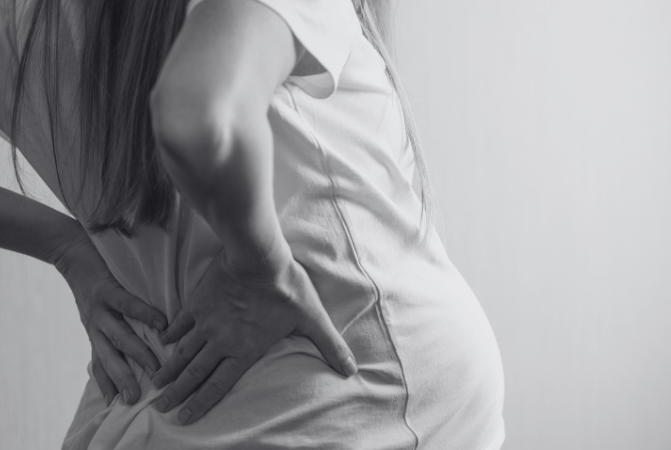
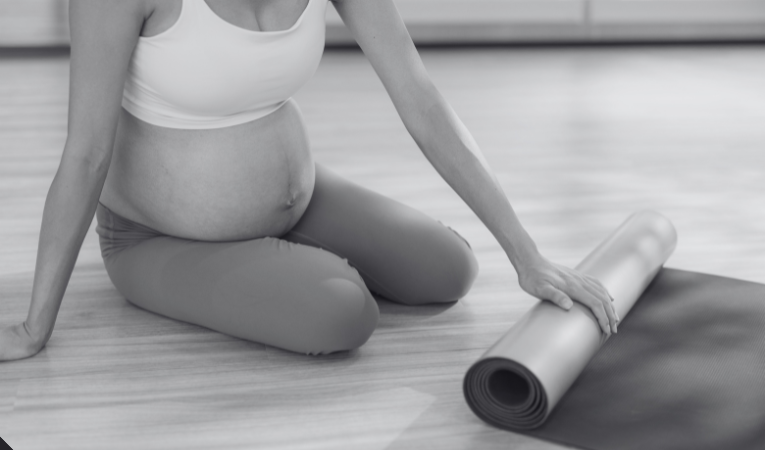
During pregnancy, a woman’s body undergoes significant changes. Muscles, joints, and connective tissue adapt to support the growing baby. One muscle group deserves special attention: the pelvic floor. Training the pelvic floor muscles during pregnancy is essential to prevent complaints and to optimally prepare the body for childbirth and recovery. For women who consciously choose safe training during pregnancy, targeted guidance forms an important foundation.
The role of the pelvic floor muscles during pregnancy
The pelvic floor muscles form a layer of muscles at the bottom of the pelvis that support the bladder, uterus, and intestines. During pregnancy, the pressure on these structures increases significantly. Hormonal changes also lead to greater elasticity of the connective tissue. Without sufficient strength and control, complaints such as urinary leakage, a feeling of heaviness, and instability may occur. By specifically training the pelvic floor muscles, you increase the load-bearing capacity and functionality of this area.
The benefits of trained pelvic floor muscles
Well-trained pelvic floor muscles are better able to absorb increasing pressure and provide more stability in the pelvis and core. Scientific research shows that training during pregnancy significantly reduces the risk of incontinence, both before and after childbirth. In addition, a well-functioning pelvic floor contributes to better posture, a stronger core, and fewer back and pelvic complaints.
Impact on childbirth and body control
Pelvic floor training is not only about strength, but also about relaxation and coordination. Women who can consciously contract and relax their pelvic floor often experience more control during childbirth. This supports an efficient pushing phase and reduces the risk of overloading muscles and connective tissue. Training during pregnancy helps increase body awareness and build confidence in one’s own body.
Faster and better recovery after childbirth
After birth, the pelvic floor needs time to recover. Women with previously trained pelvic floor muscles generally recover faster and experience fewer long-term complaints such as incontinence or prolapse. By training safely and purposefully during pregnancy, a strong foundation is created for postpartum recovery and long-term health.
Pregnancy personal training at BEYOND Amsterdam
Not every exercise is suitable for every stage of pregnancy. Safe training during pregnancy requires specialized knowledge of anatomy, hormonal changes, and pelvic floor loading. Within the specialization Pregnancy Personal Training at BEYOND Amsterdam, a personalized training program is created in which pelvic floor training, core stability, and functional strength are central. Under professional guidance, you work on strong and well-coordinated pelvic floor muscles, a stable body, and optimal preparation for childbirth and recovery.
::contentReference[oaicite:0]{index=0}