Regular physical exercise has a proven positive effect on your blood pressure. Exercising makes your heart stronger, allowing your blood to be pumped around more efficiently. This reduces the pressure on the blood vessels and can lower your blood pressure. For people with hypertension (high blood pressure), moderate physical exercise, such as walking or cycling, can already help to structurally lower blood pressure. In addition to immediate effects, such as a temporary drop in blood pressure after exertion, exercise also improves your overall fitness and reduces your stress, a major factor in high blood pressure.
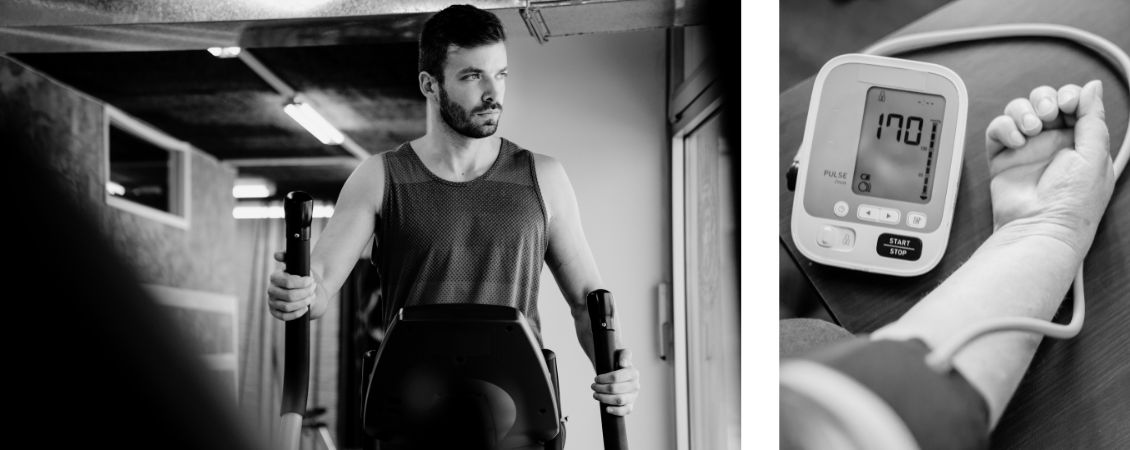
The risks of exercising with high blood pressure
Exercising with high blood pressure is in most cases not dangerous, provided you approach it in the right way. It is important to adjust your intensity and avoid heavy exertion or strength training if your blood pressure is very high (for example, above 140/90 mmHg). At Beyond, we advise you to consult a doctor before starting a new training programme, especially if you take medication or have other health conditions. With correct guidance, exercise actually contributes to better health. Do pay attention to signals from your body, such as dizziness or shortness of breath, and stop for a moment if you do not feel well.
The ideal blood pressure after exercising
It is normal for your blood pressure to rise temporarily while exercising, because your heart has to work harder to supply your muscles with oxygen and energy. After physical exertion, however, your blood pressure should drop to a level lower than your resting blood pressure before exercise. A healthy blood pressure after light to moderate exertion is usually around or below 120/80 mmHg. If you notice that your blood pressure does not drop after exercising, or actually remains much higher, it is wise to discuss this with a doctor or specialist. This may indicate underlying health problems.
Training with high blood pressure
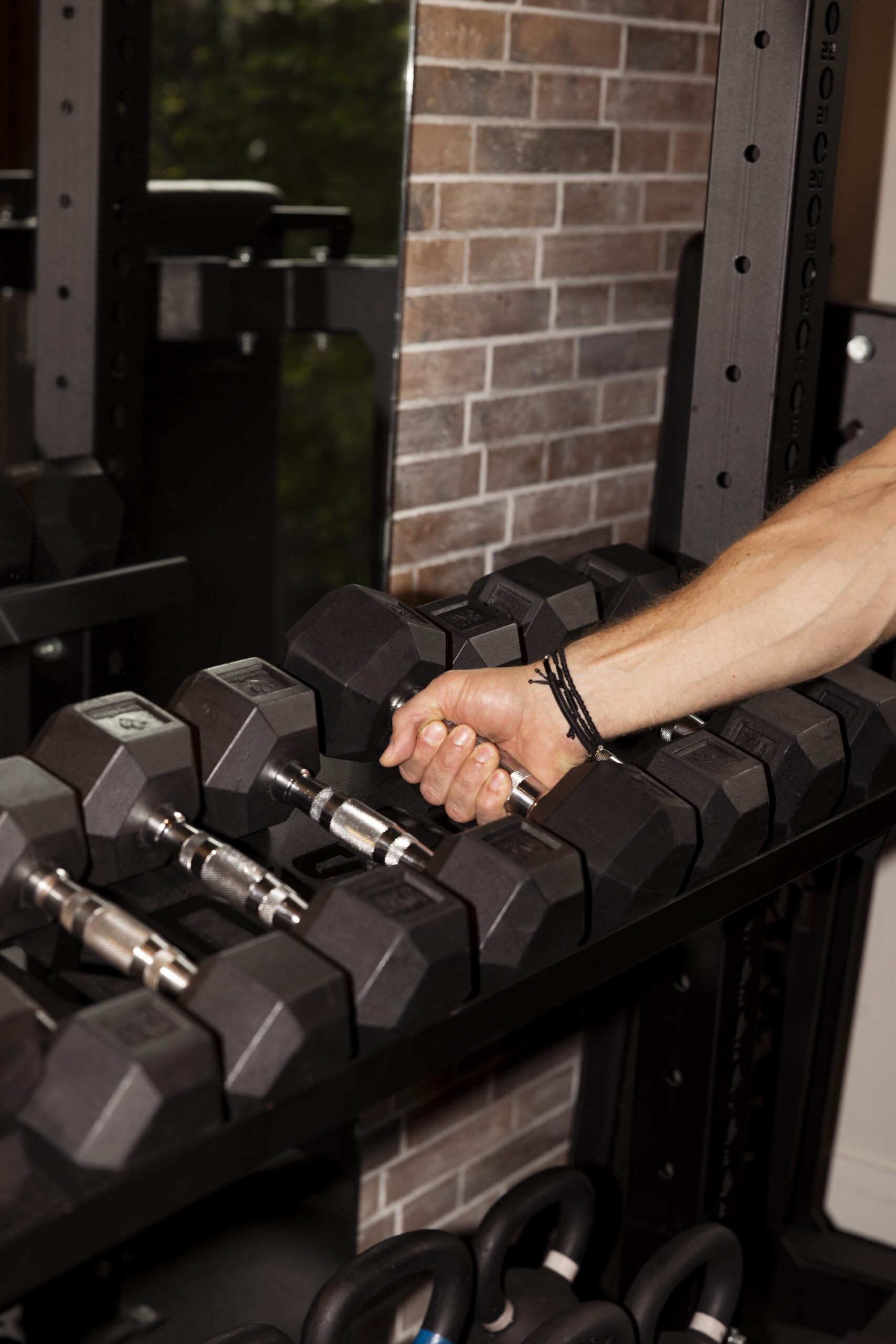
People with high blood pressure are best choosing aerobic exercise, as these activate large muscle groups and gradually strengthen the heart. Walking, swimming, cycling and dancing are excellent choices. These forms of exercise are accessible and low-impact, meaning they place little strain on the joints and the cardiovascular system. Yoga and Pilates can also be useful due to the combination of movement and breathing exercises, which help to reduce stress. However, avoid explosive strength training and heavy interval training, as these can raise blood pressure too quickly.
Troubled by high blood pressure after light exertion
If your blood pressure remains higher than normal after light exertion, it is important to cool down gradually. You can do this by walking slowly for a few minutes or doing stretching exercises. Avoid stopping abruptly, as this can cause a rapid drop in blood pressure, which may lead to dizziness or fainting. Check your blood pressure regularly and make a note of the readings to identify a pattern. If you notice that your blood pressure repeatedly fails to drop after exercise, consult a doctor or specialist to draw up a suitable training plan.
Which type of exercises can lower your blood pressure?
Exercises focused on endurance and stress reduction are ideal for lowering your blood pressure in the long term. Aerobic activities, such as brisk walking, jogging, or swimming, have a positive effect on your cardiovascular system. Yoga and breathing exercises are particularly effective for reducing stress, which is often a major factor in high blood pressure. In addition, strength exercises with light weights combined with a high number of repetitions can contribute to lower blood pressure. The most important thing is to remain consistent and allow your body sufficient rest to recover.
Let BEYOND guide you
In short, exercising with high blood pressure can be safe and effective, as long as you take your personal situation into account and carefully adjust your training intensity. By exercising regularly, you are not only choosing a healthier heart and lower blood pressure, but you are also working on your overall well-being. Get started at Beyond for personal advice; there is no better investment than investing in your health!