
The importance of diastasis recovery after pregnancy
After pregnancy, your body changes in many ways. Diastasis is very common after giving birth. This is a separation between the rectus abdominal muscles. Many women do not recognize it immediately. Still, it can have a major impact on your recovery. Your core feels weaker. Your posture changes. Exercising can also become more difficult. Diastasis recovery is therefore not just about appearance. It is mainly about strength, stability, and functioning well in daily life.
What exactly is diastasis
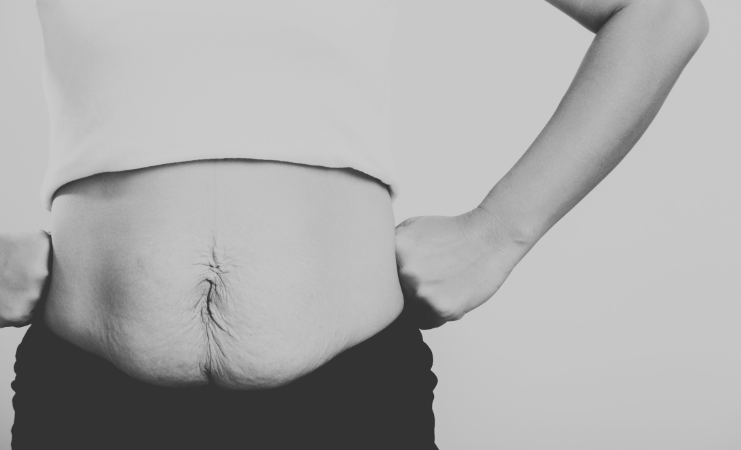
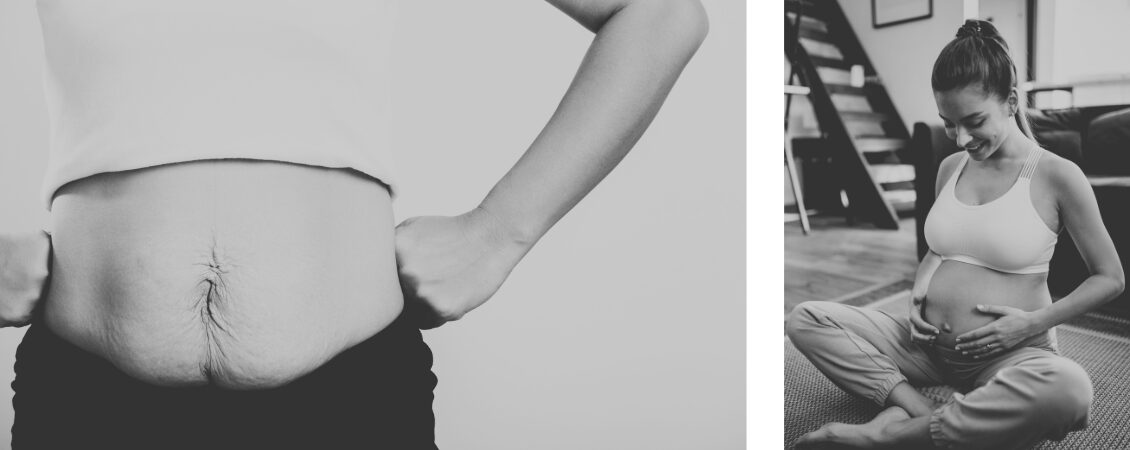
Diastasis is a separation between the rectus abdominal muscles. These muscles run from your breastbone to your pubic bone. Between these muscles is connective tissue called the linea alba. During pregnancy, this tissue stretches. As a result, a gap forms between the muscles. This is a natural response from your body. It is necessary to make room for your growing baby. After giving birth, that gap can sometimes remain.
How pregnancy can cause diastasis
During pregnancy, increasing pressure is placed on your abdomen. Your baby grows and your abdominal muscles stretch. Hormones make the connective tissue more flexible. This helps during childbirth, but also makes the tissue more vulnerable. During labor itself, the pressure increases even more. This can cause the distance between your abdominal muscles to widen further. This is normal, but your body needs time to recover afterward.
Symptoms and effects of unrecovered diastasis
Diastasis can cause several symptoms. You may experience a weaker feeling in your core. Sometimes you can see a bulge in your abdomen during exertion. Lower back pain is also common. Your posture may feel unstable. Lifting or exercising requires more effort. Some women also develop pelvic floor issues. These signals often become noticeable later on. Still, they can have a major impact on your daily movement and postpartum recovery.
How to recognize diastasis
You can sometimes recognize diastasis yourself. For example, when your abdomen bulges outward while tightening your abdominal muscles. A weak feeling in your core can also be a sign. Sometimes you can feel a gap between your abdominal muscles when pressing on them. However, self-testing is not always reliable. A specialist can assess it more accurately. This way, you know exactly what is happening and how to recover safely.
Diastasis recovery is about rebuilding
Recovering from diastasis is all about control and rebuilding. You learn how to activate your deep abdominal muscles again. Breathing plays an important role in this process. Your pelvic floor also works together with your core. Exercises are built up gradually. The goal is not quick results, but sustainable recovery. Your body needs to learn how to work together again. With the right approach, your core becomes stronger and more stable. This allows you to move and exercise safely again.
What you should avoid during recovery
During the recovery period, caution is important. Avoid exercises that place a lot of pressure on your abdomen. Think of sit-ups or heavy crunches. Explosive core exercises are also often too demanding. Progressing too quickly can actually slow down recovery. Your body needs control, not maximum tension. Focus on calm and controlled movements instead. This gives your connective tissue the chance to become stronger without additional strain.
BEYOND Amsterdam for diastasis recovery
Recovery after pregnancy is not a race. It is a process that takes time. At BEYOND Amsterdam, everything revolves around personal guidance and safe progression. You work on your core, posture, and stability. Everything happens at your own pace. No standard program, but an approach tailored to your body and recovery. This way, you gradually rebuild your strength step by step. The goal is for you to feel strong, stable, and confident in your own body again.